/
Best practice
Shape every project with the people who will live with it
Residents are involved at every stage, from the first survey to the annual impact report, through a village team drawn from and trusted by the community.
Emirates Villages, UAE
·
4 min read
·
Best practice
Community
Governance
Partnerships
The practice
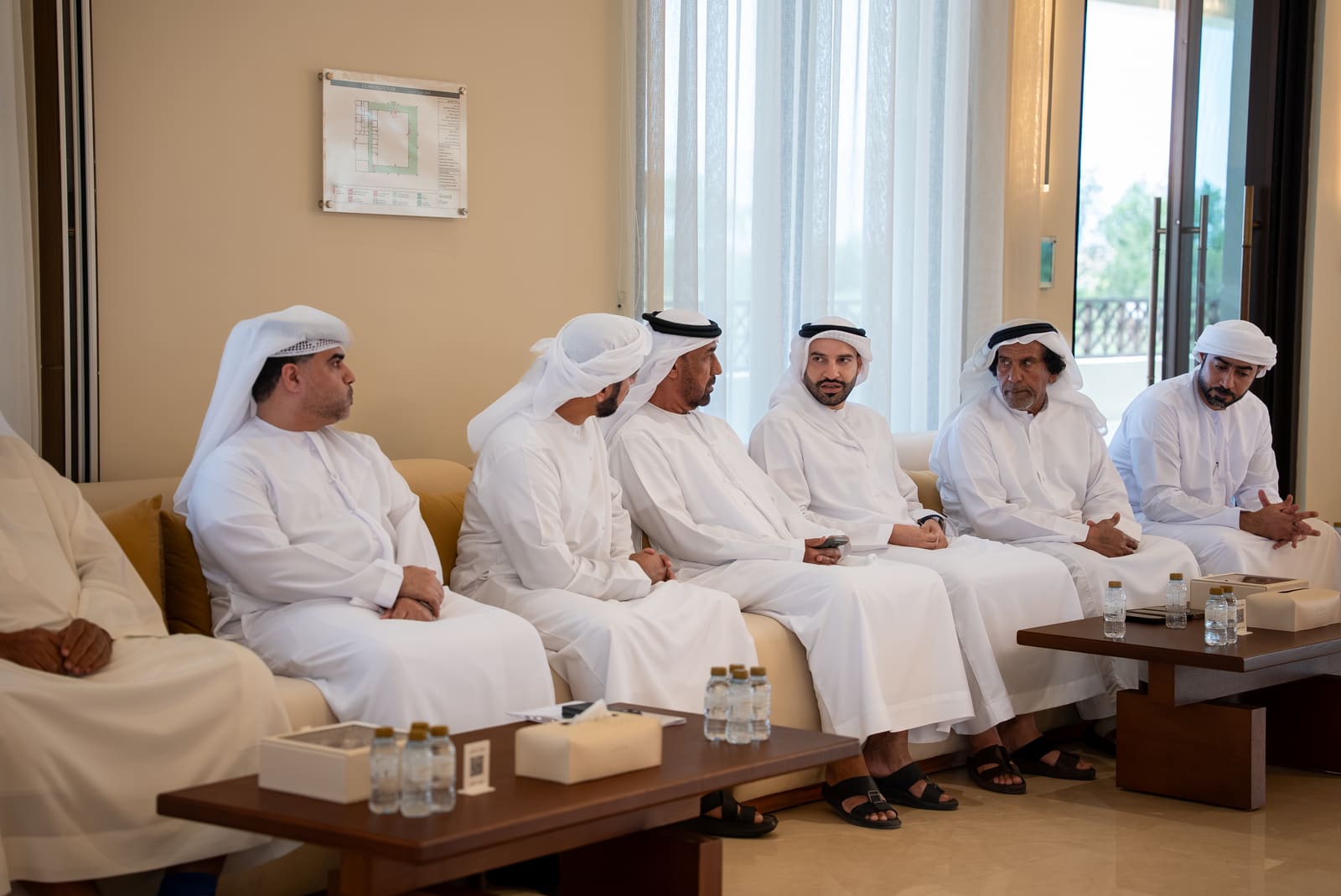
No project or programme should be approved without the people of the village. Engagement is not a consultation held once at the start. It runs through every stage of the work, from the first assessment to the annual impact report, and it is carried by a team that residents know and trust. In the Emirates Villages approach, no project is approved before it has been shaped by the community's needs and priorities.
Why it matters
Residents know things no outside study will find: which farms are idle and why, what young people leave the village to look for, where families gather in the evening and which traditions still hold the community together. Projects shaped by that knowledge are better placed and better used. Engagement also builds ownership. A pitch that residents asked for, helped to plan and now run is looked after differently from one that was simply delivered to them. And it protects the investment. An element that does not answer a real need is the most expensive kind of mistake, because it costs money to build and more to keep open.
It starts before planning
Engagement begins before any plan is drawn. One of the five readiness checks applied before a village is approved for development is an established and engaged community: residents who are settled, rooted in the place and ready to take part. A village is built by its people and for its people. Where that foundation is weak, building it comes first.
Listening before designing
The assessment uses four tools, chosen to suit the size of the village. A questionnaire or survey records residents' needs and priorities. At least two field visits record the village's assets and landmarks as they actually are on the ground. Interviews and meetings with residents, elders and young people, followed by a community workshop, build a shared view of what the village should become. An analysis of the population and how it is distributed shows the role the village plays for its surroundings. Together, these produce clear priorities: which elements are built, at what scale and in which location.
Through design, activation and measurement
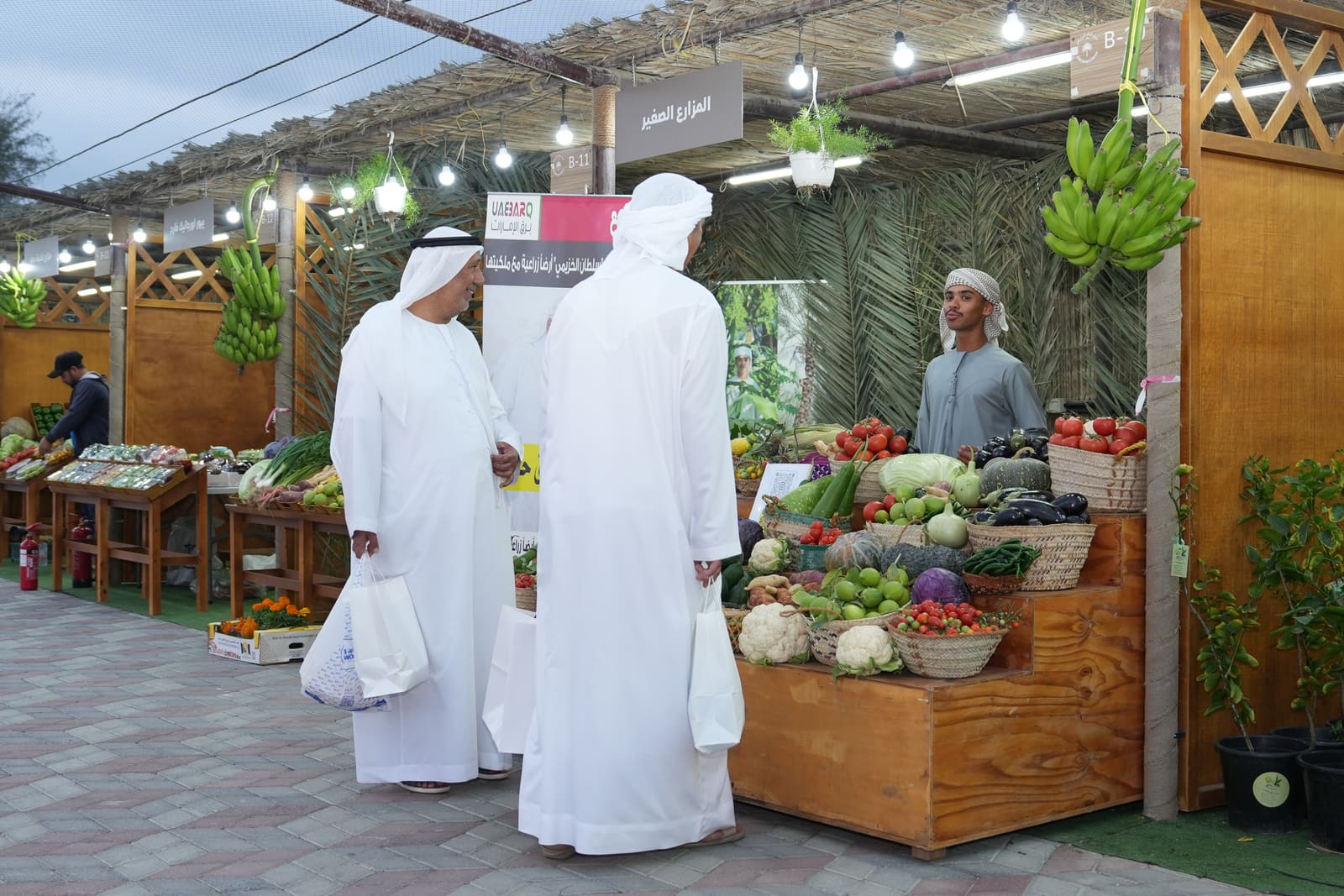
Engagement continues once the plan is agreed. During design, the local identity expressed in buildings and materials is reviewed with residents. During activation, residents receive priority for shops and operating roles, local guides and hosts are trained, and festivals are held inside the village with residents as exhibitors and organisers. During measurement, regular pulse surveys ask residents what difference the programmes and projects have made to their daily lives, and impact reports are shared with the community. The next year's plan begins with their verdict on the last.
The village team
The practice depends on people as much as procedures. In each village, ECBD works through a village operating team of three or more: an experienced retiree, who brings judgement and the trust of the community, and two or more staff at entry to mid level. The team takes part in every aspect of village life, including programmes, development projects, events and daily contact with residents. It carries the Council's direction to the community and brings residents' needs back to the Council's central team, which sets strategy, designs projects and measures impact. The team is the Council's voice in the village and the village's voice at the Council.
In the villages
At Qidfa, the Council met farmers and farm owners before the farm trails were designed, and the route was agreed with each owner before work began. At Masfout, the community pitch is run entirely by residents and operates at full capacity. A farm tour at Qidfa is led by a woman from the village, and the Juthoor workshops build on the skills of craftswomen in Masfout and Qidfa. At Al Rams, residents have priority for the shops of the renewed Boulevard. Across the programme, more than 1,400 volunteers have taken part, and more than 400 people have found work through the Council's partnerships.
What to watch for
Reach beyond the familiar voices. Elders and community leaders matter, but so do women, young people and newer families, and each may need a different setting to speak freely, whether a majlis, a women's session or a school visit. Match the tools to the village: a full survey suits a larger village, while a smaller one may be better served by meetings and conversations. Close the loop, because residents who give their time need to see what changed as a result. And keep the team local. A team residents know will hear things that a visiting consultant will not.
Another perspective.
Best practice
Pair every element with a programme that keeps it in use
Each development element is paired with an activation programme, planned alongside the build, so that what is built is used, maintained and valued from the day it opens.
Emirates Villages, UAE
·
3 min read
Case study
Qidfa farm trails: reconnecting 170 farms to the village and its visitors
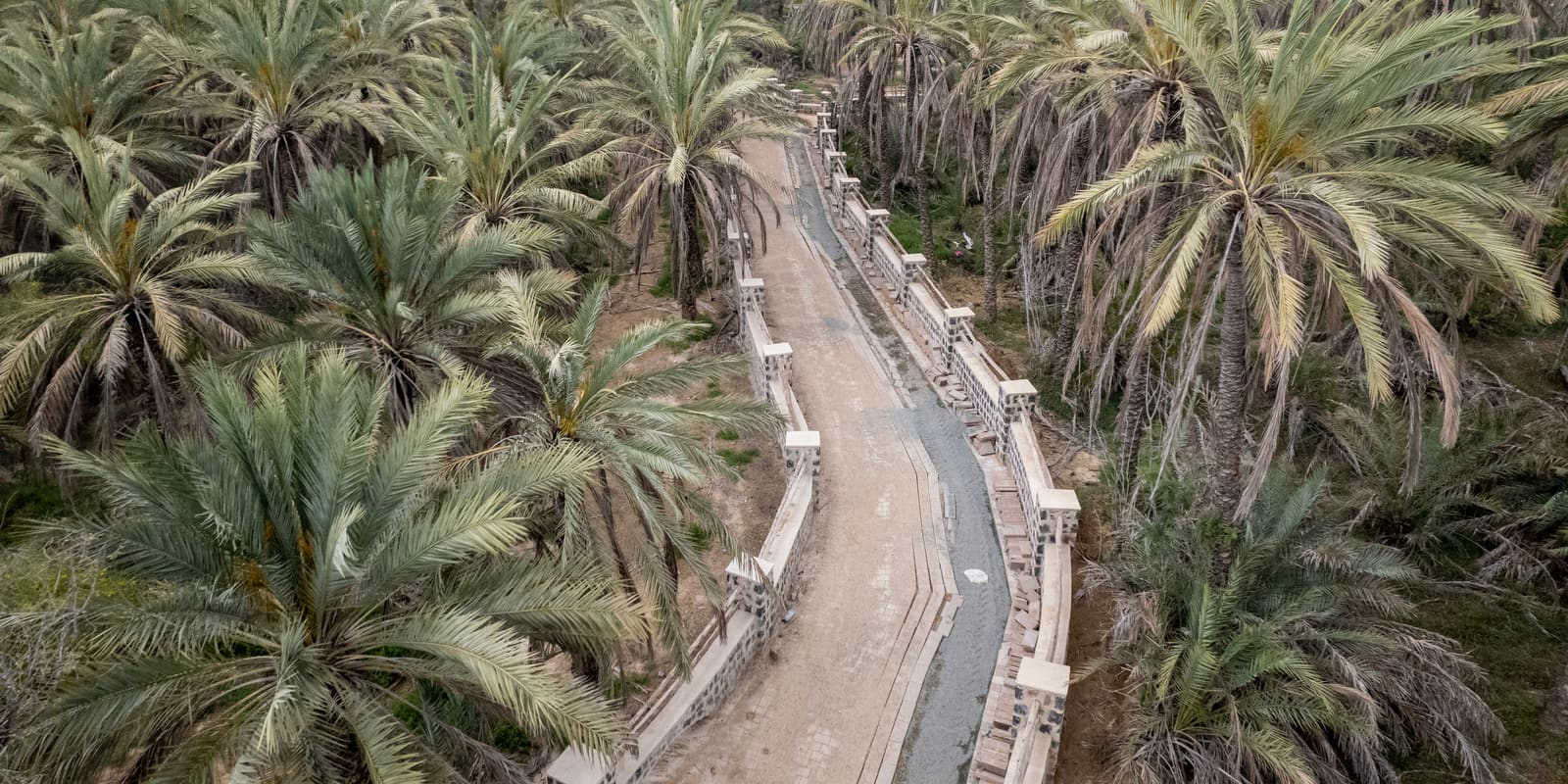
A 6.6 km network of farm trails gave Qidfa's farmers reliable access to their land, improved the services reaching their farms and opened the farms to visitors.
Qidfa, Fujairah, UAE
·
4 min read
Case study
Al Rams Boulevard: renewing a village centre around local enterprise
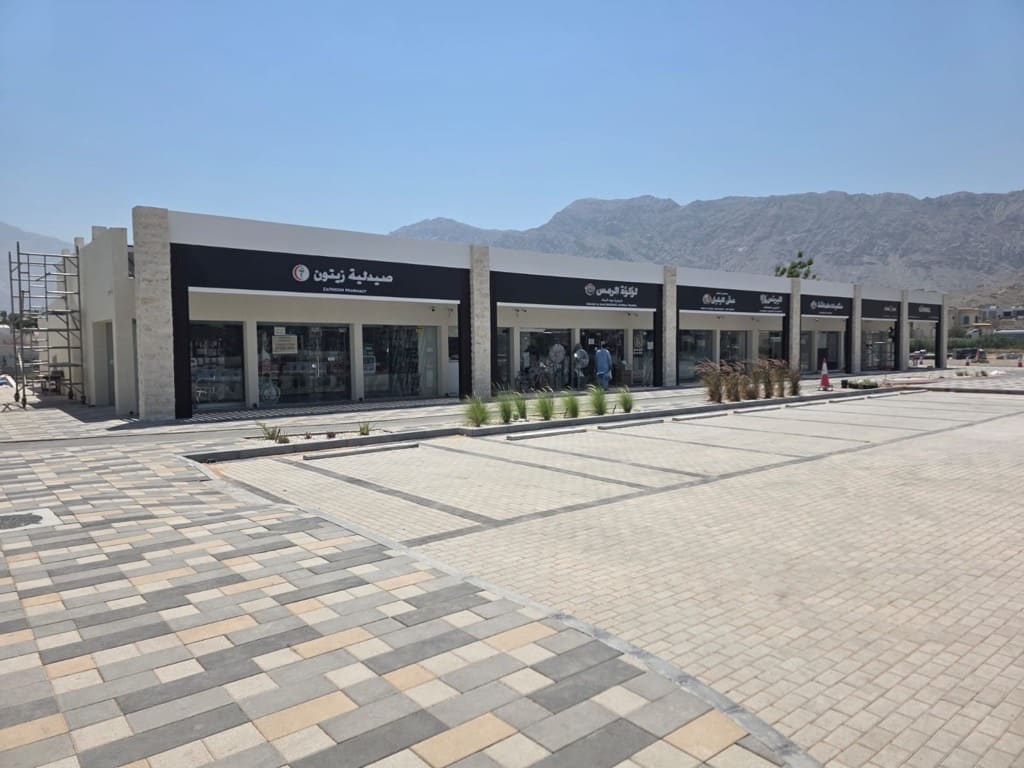
The renewal of 105 shops, new kiosks and a café, and support for a local pearling enterprise are turning Al Rams's main street into a village centre connected to its waterfront.
Al Rams, Ras Al Khaimah, UAE
·
4 min read
Powered By: