/
Case study
Qidfa farm trails: reconnecting 170 farms to the village and its visitors
A 6.6 km network of farm trails gave Qidfa's farmers reliable access to their land, improved the services reaching their farms and opened the farms to visitors.
Qidfa, Fujairah, UAE
·
4 min read
·
Case study
Agriculture
Infrastructure
Local economy
Tourism
Overview
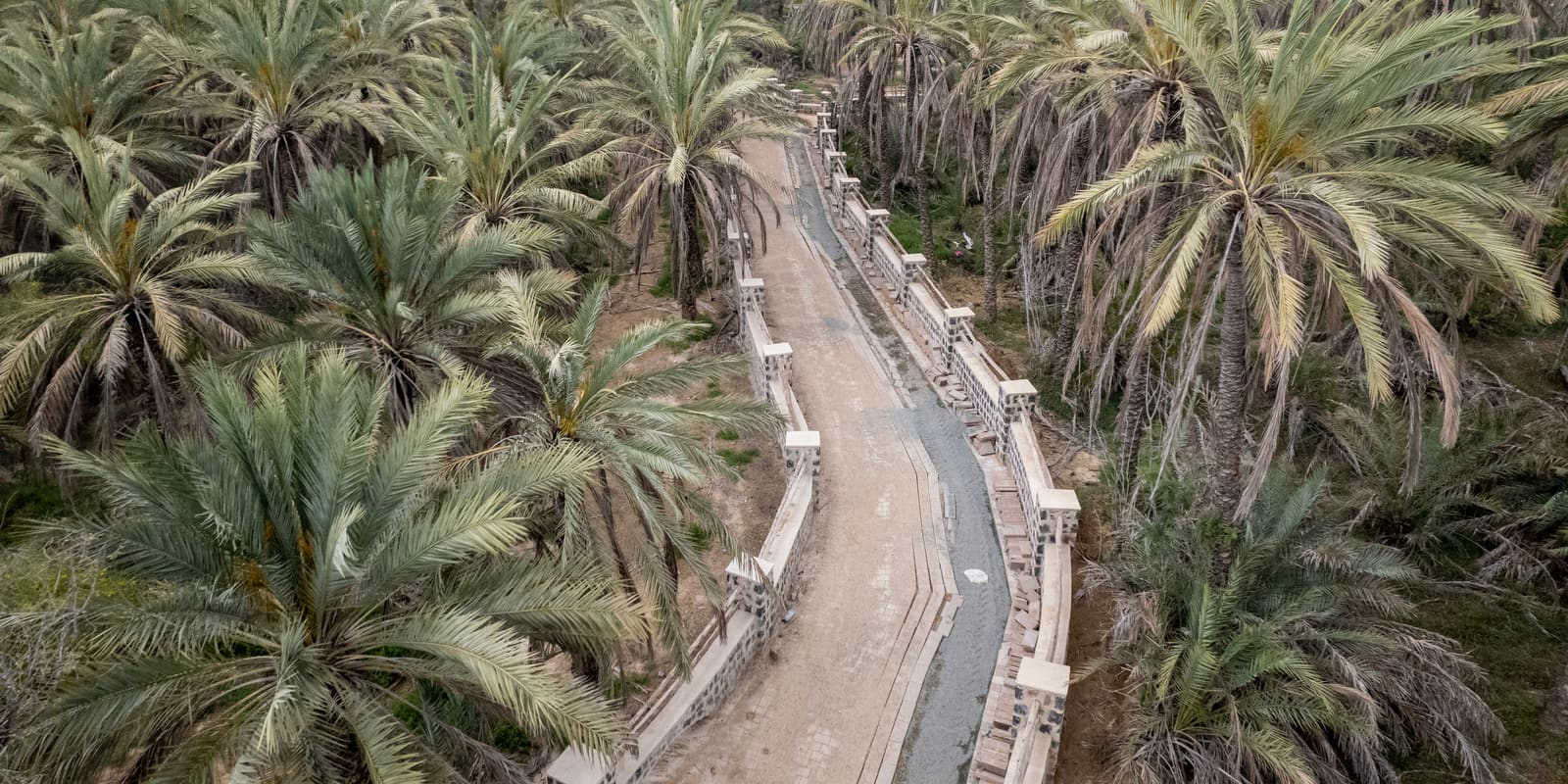
Qidfa is an agricultural and coastal village in Fujairah, set between the Hajar Mountains and the Gulf of Oman, with an estimated population of 10,500. Farming has shaped the village for generations, and its farms remain central to its identity. ECBD developed 6.6 km of farm trails that link 170 farms, improve the services that reach them and open them to visitors. In the Emirates Villages Model, the trails are the village's eco-trail, one of the five development elements, paired with tourism experiences as their activation programme. The project is complete and in daily use.
The starting point
Before the project, the farms could only be reached by off-road tracks. Many farmers struggled to get to their land, to bring in equipment or to take produce out, and many farms had become inactive as a result. The water and electricity supply to the farms also needed improvement. The Council began by meeting the farmers and farm owners to understand how they used their land and what was holding them back, and access was the clearest need. The route of the trails was then agreed with each farm owner before any work started, so that the network followed the farms as they are laid out and served the people who would use it every day.
What was built
The project created 6.6 km of farm trails linking 170 farms. The paved surface is built to carry walkers, cyclists and light farm vehicles, so the same route serves a farmer delivering supplies and a family out for a walk. Stone-faced walls, timber rails and small arched crossings give the trails a consistent character among the palm groves, and solar-powered lighting keeps them usable after dark. New signage was installed across the network, and every farm is now clearly marked. The works also upgraded services: all 170 farms on the network are connected to services, and 131 farm owners received improved water and electricity provision. Where the route passes a burial site around 4,000 years old, the site was preserved. The trails meet the three criteria the Standard sets for eco-trails: they connect existing assets so that every route has a destination, their length and difficulty suit the terrain and the people using them, and they put pedestrian safety and low environmental impact first.
Keeping it in use
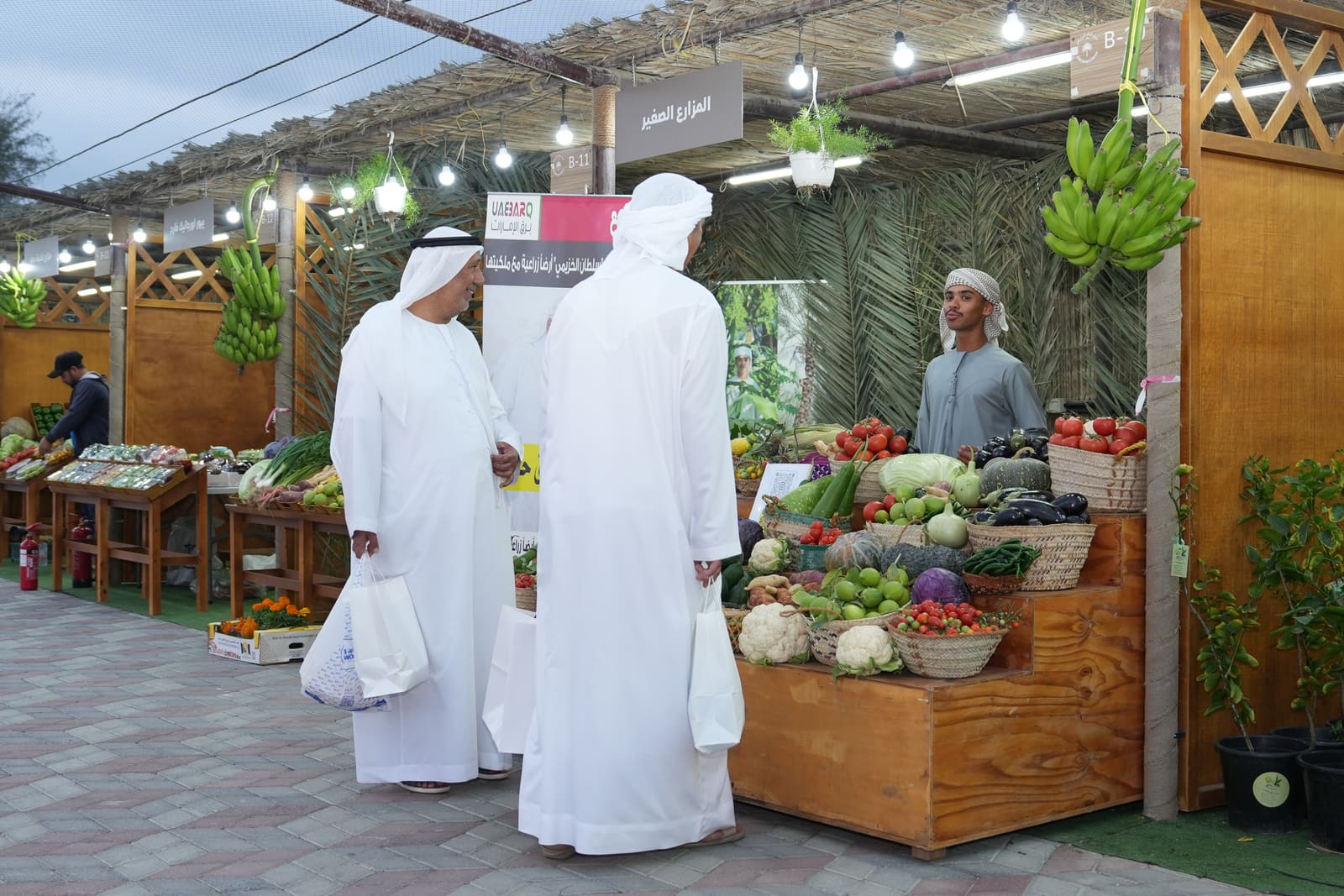
A trail proves its value when people use it, so once the trails were complete the Council moved directly to activation. Farm visits bring visitors along the trails and onto working farms, including a cultural farm tour led by a woman from the village that links Qidfa's agricultural heritage with sustainable farming practice. The trails also host the Qidfa Agricultural Festival and Between the Palms Qidfa, which are held among the farms themselves, so the village celebrates its farming life in the place where it happens. These events give productive families and local enterprises a place to sell their produce and crafts. Farm stays, which will let visitors spend a night on a working farm, are the next step in the programme.
What changed
The most direct change is access. Farmers can now reach their land by vehicle, by bicycle or on foot throughout the year, and the 170 farms on the network are easier to work, supply and visit. Better water and electricity provision for 131 farm owners has removed one of the practical barriers to keeping a farm productive. The trails have also turned the farms into a shared asset for the whole village: a place to walk, cycle and gather, and a setting for its festivals. Qidfa's standing has grown alongside the project. The village has received a certificate of international recognition from the Food and Agriculture Organization of the United Nations (FAO) under the FAO Villages Recognition Initiative, which celebrates rural heritage and innovation.
What others can take from it
Four points carry over to other farming villages. First, start with access. Where farms are hard to reach, every other investment depends on solving that, and a route built for farm vehicles as well as walkers serves both the farm economy and the visitor. Second, agree the route with every owner before construction. It avoids disputes and gives farmers a stake in the result. Third, improve services in the same works. Bringing water and electricity up to standard while the trail is being built is simpler than returning to it later. Fourth, plan activation alongside the build. Farm visits and festivals gave the trails a purpose from the start, and Qidfa's experience shaped the Standard's rule that every development element is paired with an activation programme.
Around the project
The trails sit alongside Qidfa's other projects. The 1.2 km Qidfa Corniche, the village's family park, has four children's play areas, a community majlis and five buildings for cafés and restaurants. It hosts the Ramadan beach football tournament, which brought 10 teams and about 5,000 visitors to the corniche. The village also takes part in the Juthoor craft workshops and the Emirates Villages Summer Programme, which offers children and young people five weeks of sport, culture, education and skills.
Another perspective.
Best practice
Pair every element with a programme that keeps it in use
Each development element is paired with an activation programme, planned alongside the build, so that what is built is used, maintained and valued from the day it opens.
Emirates Villages, UAE
·
3 min read
Case study
Qidfa farm trails: reconnecting 170 farms to the village and its visitors
A 6.6 km network of farm trails gave Qidfa's farmers reliable access to their land, improved the services reaching their farms and opened the farms to visitors.
Qidfa, Fujairah, UAE
·
4 min read
Case study
Al Rams Boulevard: renewing a village centre around local enterprise
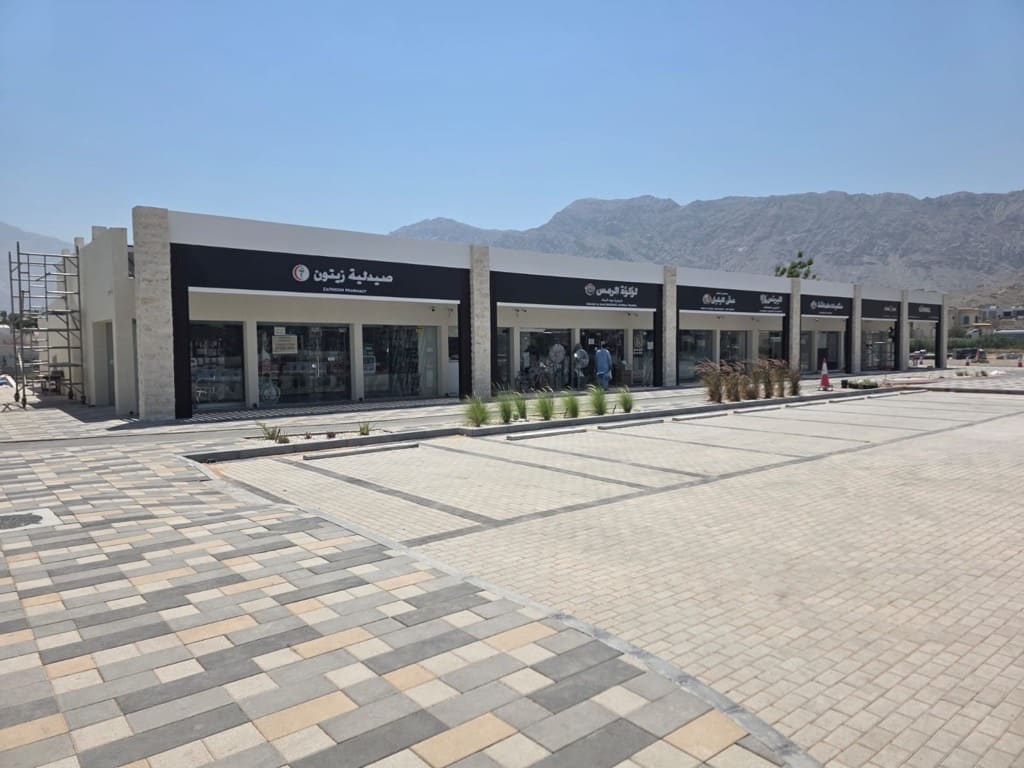
The renewal of 105 shops, new kiosks and a café, and support for a local pearling enterprise are turning Al Rams's main street into a village centre connected to its waterfront.
Al Rams, Ras Al Khaimah, UAE
·
4 min read
Powered By: