/
Lesson learned
Opening day is the start, not the finish
When Qidfa's first projects were complete before their programmes were ready, the response shaped the rule that development and activation are planned and delivered together.
Qidfa, Fujairah, UAE
·
2 min read
·
Lesson learned
Agriculture
Infrastructure
Measurement & learning
What happened
Qidfa was the first village in the Emirates Villages programme, and its first projects, including the farm trails and the corniche, were completed as planned. But a finished asset does not fill itself. The trails, the corniche and the new commercial spaces needed people, businesses and events to bring them into daily use, and the programmes to do that were not yet fully in place when construction ended. The following year's plan moved directly to opening the shops and holding festivals.
What it taught
Construction alone is not enough. The value of a village project comes from its use, and use has to be planned, funded and staffed as carefully as the build. An opening marks the moment the real test begins: from that day, an asset either becomes part of village life or starts to decline.
Why it is easy to miss
Development projects are organised around construction. Budgets, contracts, timelines and approvals all end at handover, so attention naturally ends there too. Activation has none of those natural deadlines, which is why it can slip. It also calls for different skills: programming, partnerships with businesses and community organisers, and the patience to build new habits in a village.
What changed in the approach
The lesson is now built into the Standard. Every development element is paired with an activation programme. Operators and maintenance arrangements are identified before construction starts. Each village has one activation plan a year that links every element to its programme, and the first events launch before construction ends. One of the three objectives of the approach, sustainable impact, states the principle directly. Looking back, the step the Council would take differently is to apply the full Standard from the start, so that development and activation run together as one integrated programme.
What followed at Qidfa
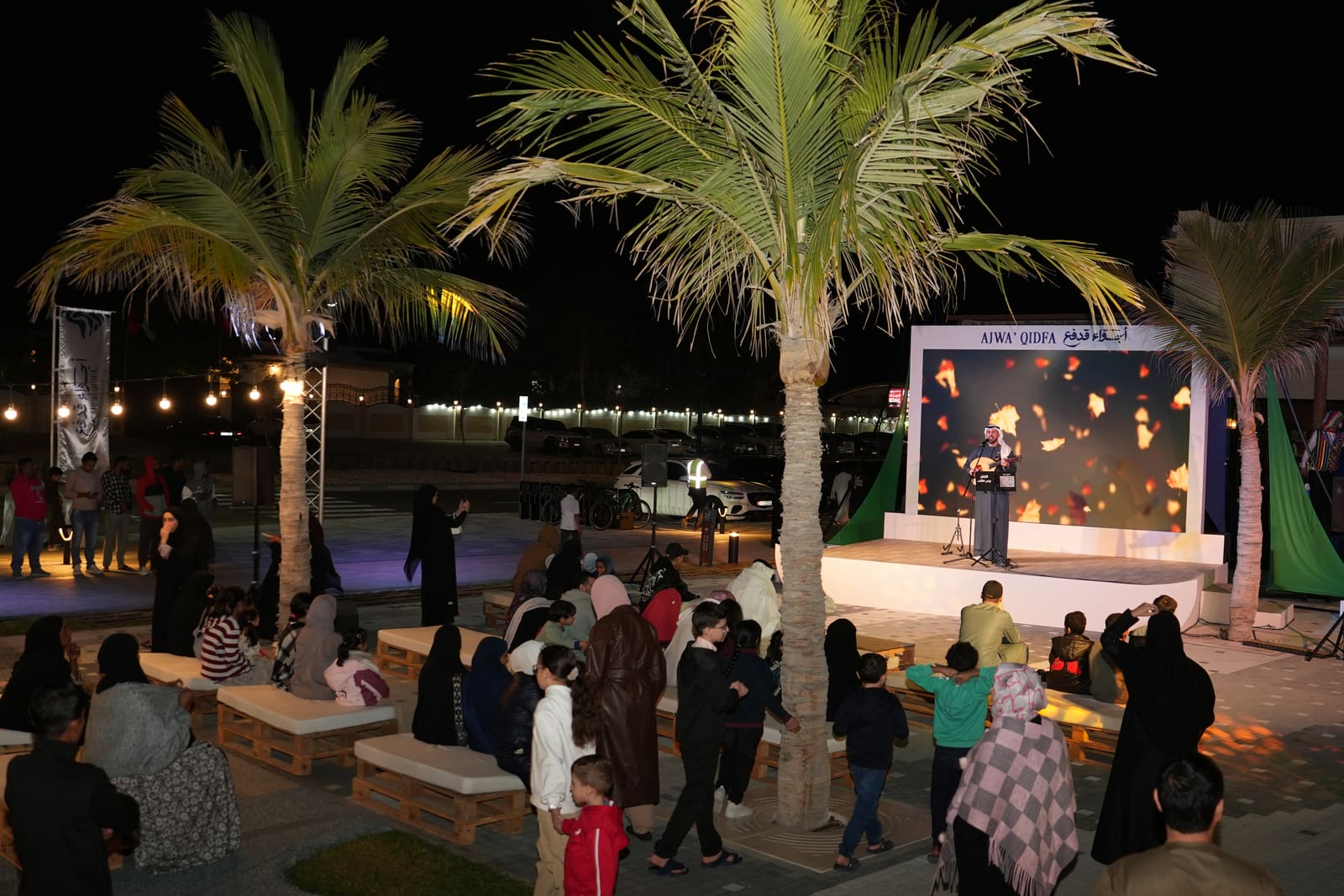
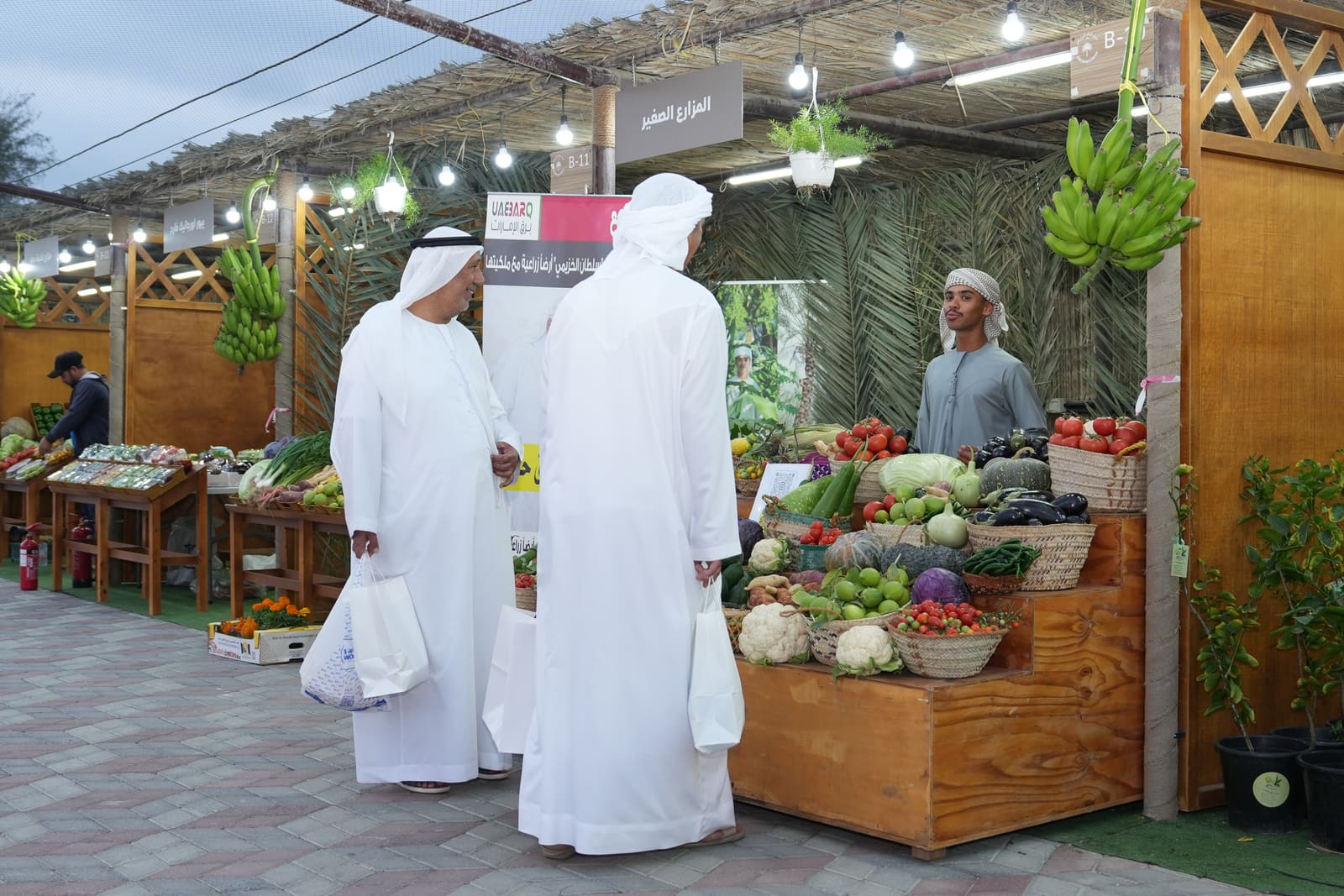
Once activation began, the new assets became part of village life. The farm trails carry farm visits, including a cultural farm tour led by a woman from the village, and host the Qidfa Agricultural Festival among the farms. The corniche hosts a Ramadan beach football tournament, which brought 10 teams and about 5,000 visitors. Across Qidfa, festivals have drawn more than 98,000 visitors, productive families have taken part 196 times and 18 small and medium enterprises have been supported. The village has also received a certificate of international recognition from the Food and Agriculture Organization of the United Nations (FAO).
Advice for others
Plan the first year of use alongside the design, and fund it in the same budget. Appoint the operator for each asset, and the village team that connects it to residents, before handover. Schedule a first event before the contractor leaves, so residents meet the new space by using it. And measure use in the months after opening, not only attendance on the day, so that problems are caught while they are still easy to fix.
Another perspective.
Best practice
Pair every element with a programme that keeps it in use
Each development element is paired with an activation programme, planned alongside the build, so that what is built is used, maintained and valued from the day it opens.
Emirates Villages, UAE
·
3 min read
Case study
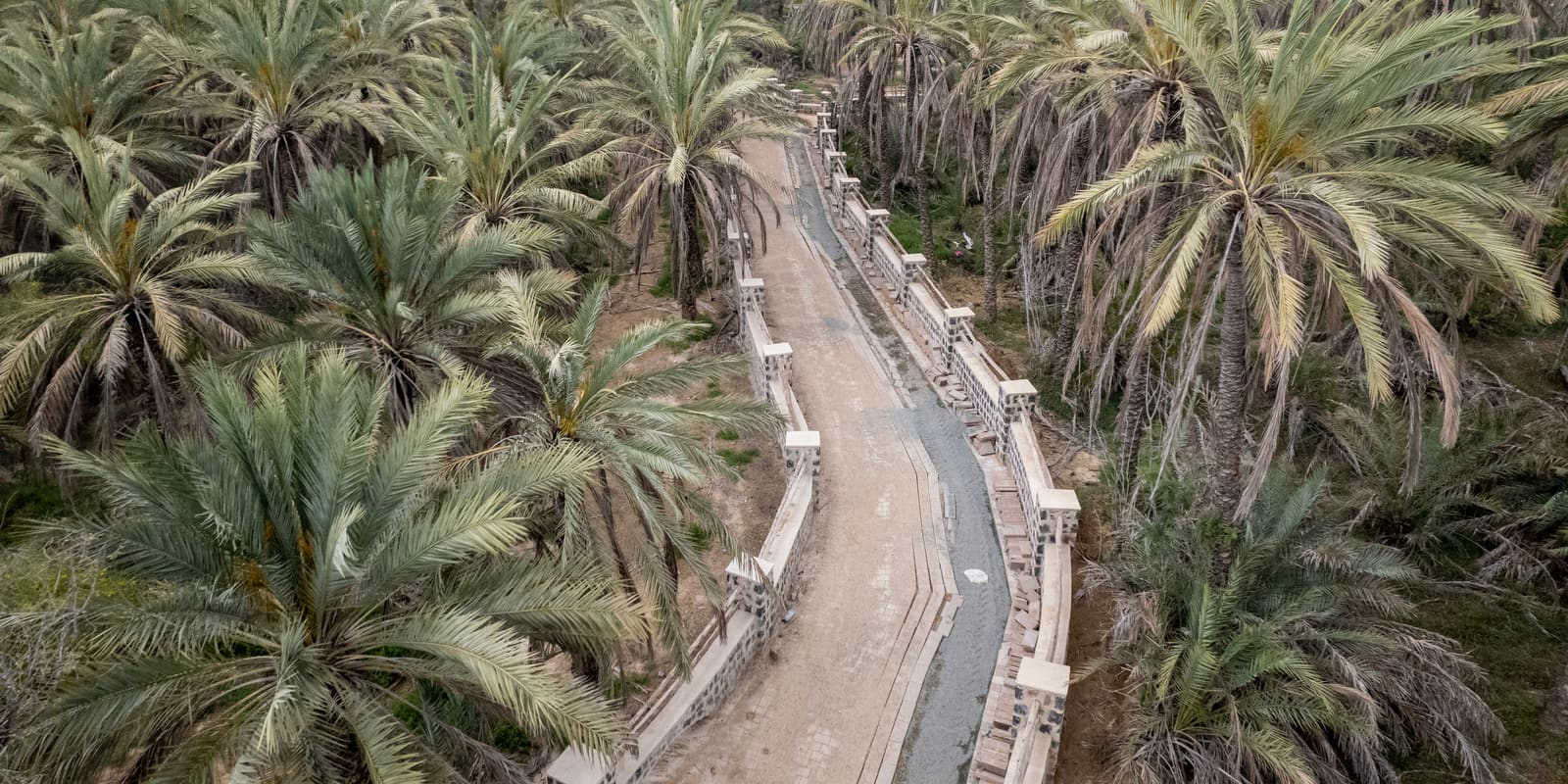
Qidfa farm trails: reconnecting 170 farms to the village and its visitors
A 6.6 km network of farm trails gave Qidfa's farmers reliable access to their land, improved the services reaching their farms and opened the farms to visitors.
Qidfa, Fujairah, UAE
·
4 min read
Case study
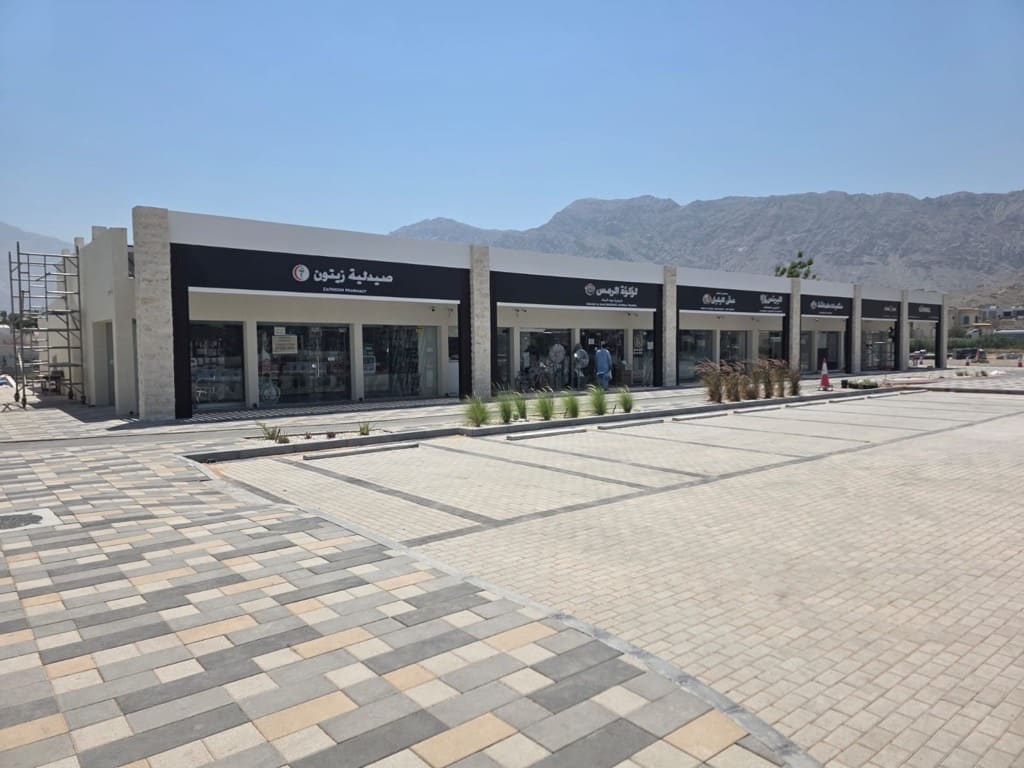
Al Rams Boulevard: renewing a village centre around local enterprise
The renewal of 105 shops, new kiosks and a café, and support for a local pearling enterprise are turning Al Rams's main street into a village centre connected to its waterfront.
Al Rams, Ras Al Khaimah, UAE
·
4 min read
Powered By: