/
Case study
Masfout Gate: a landmark that links two mountains and gives the village a front door
A fort-inspired gateway at the entrance to Masfout joins two mountain trails, marks the arrival into the village and carried its image to an international audience during the UAE Tour.
Masfout, Ajman, UAE
·
4 min read
·
Case study
Culture
Infrastructure
Sport & wellbeing
Tourism
Overview
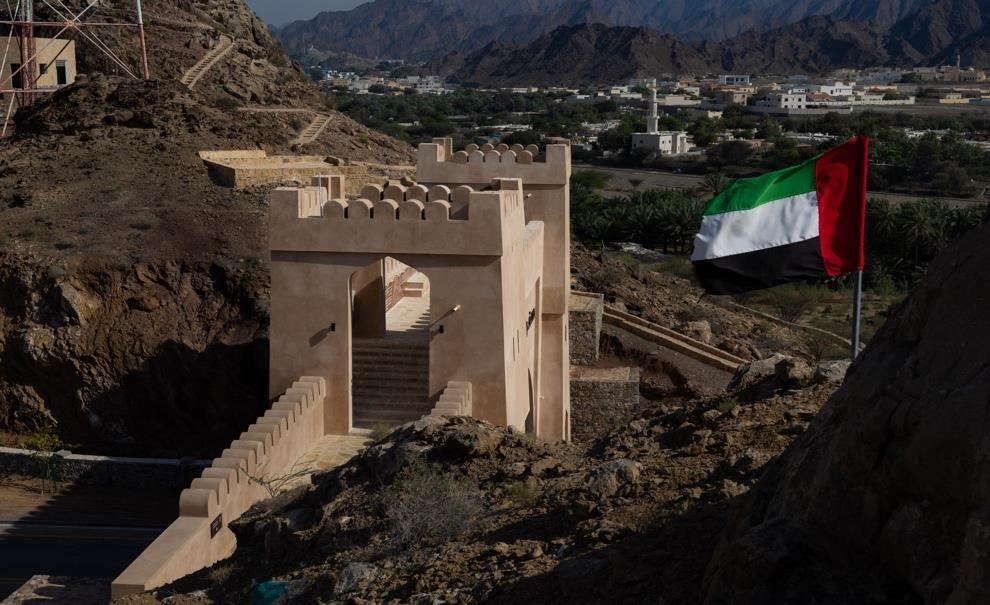
Masfout is a mountain village in the Hajar Mountains and part of the Emirate of Ajman, with an estimated population of 11,679. In 2025, UN Tourism selected Masfout as one of its Best Tourism Villages, the first village in the UAE to receive that recognition. ECBD built Masfout Gate at the entrance to the village, in partnership with the Ajman Municipality and Planning Department, to give the village an iconic point of arrival. In the Emirates Villages Model, the Gate is Masfout's signature landmark, one of the five development elements. The project is complete.
The starting point
Masfout had many of the qualities of a destination: mountain scenery, hiking trails, farms watered by the falaj, a restored fort that now houses the Masfout Museum and Al Booma Tower on the ridge above. What it lacked was a sense of arrival. The road into the village passed between rocky slopes with nothing to tell a visitor that they had reached Masfout, and the hiking trails on the two mountains on either side of the entrance were not connected to each other. The entrance offered the chance to solve both at once: to make the village's identity visible to everyone who arrives, and to join its trails into one network.
What was built
The Gate spans the road at the entrance to Masfout. Two crenellated towers frame a broad central arch, with smaller arched openings at the base and parapets along the top that recall the forts and watchtowers of the region. Finished in warm earth tones, it carries the village's name in Arabic and English above the arch. The structure covers about 500 square metres and rises to 16 metres. Across the top, a 40-metre walkway forms a pedestrian bridge between the two mountains, linking the hiking trails on either side so that walkers can cross from one to the other without coming down to the road. The trails it joins lead to Masfout's heritage sites, including the Masfout Museum, Al Booma Tower and Falaj Al Wara'a. The Gate meets the three criteria the Standard sets for a signature landmark: it builds on what the village already has, in this case its trails and its fort architecture; it expresses the identity of the place in its form and detail; and it serves the community by connecting, easing access and welcoming visitors.
Keeping it in use
A landmark earns its place when people pass through it and use it. Within days of opening, the Gate was on international television. Stage 4 of the 2026 UAE Tour, the UAE's round of the UCI WorldTour, turned in the enclaves of Hatta and Masfout, and the riders passed through the Gate, carrying images of the village to the race's national and international broadcast audience. The connected trails have since become part of how Masfout is experienced on foot and by bike. They carry guided walking tours and hiking routes, and Masfout X, a running and mountain-biking challenge organised by the Ajman Department of Tourism Development, draws on the mountain terrain the Gate now links.
What changed
The Gate has changed how Masfout is seen and how it is reached. The entrance now has a recognisable image that represents the village, and its first major appearance was on the broadcast of an international cycling race. On the ground, the walkway has joined two separate trails into one continuous route across the entrance, making it easier for hikers and visitors to move between the mountains and the heritage sites they lead to. For residents, the Gate marks the village as a place of its own, distinct from the road that passes it.
What others can take from it
First, give a destination a front door. A village can have strong assets and still feel like a stretch of road; a landmark at the point of arrival tells visitors where they are and what kind of place they have reached. Second, make the landmark work. By carrying a walkway between two trails, the Gate is infrastructure as well as image, and it serves residents and hikers every day, not only on special occasions. Third, draw the design from the place. The Gate takes its form from the region's fort architecture, so it reads as Masfout's own rather than as a generic monument. Fourth, put the landmark where people already pass. A gate on the route of a major event reaches an audience far beyond the village.
Around the project
The Gate is part of a wider set of projects in Masfout. The community pitch, with two football pitches and a running track, is run entirely by residents. The Nasamat Masfout festival brings hiking, camping and stargazing to the mountains, and its camping has shown investors that there is demand for overnight stays. Masfout has hosted a race in the Emirates Villages Run Series, and the Juthoor workshops support the village's craftswomen. The women's club has opened, and the restoration of Falaj Al Wara'a and a knife-making workshop draw on the village's heritage.
Another perspective.
Best practice
Pair every element with a programme that keeps it in use
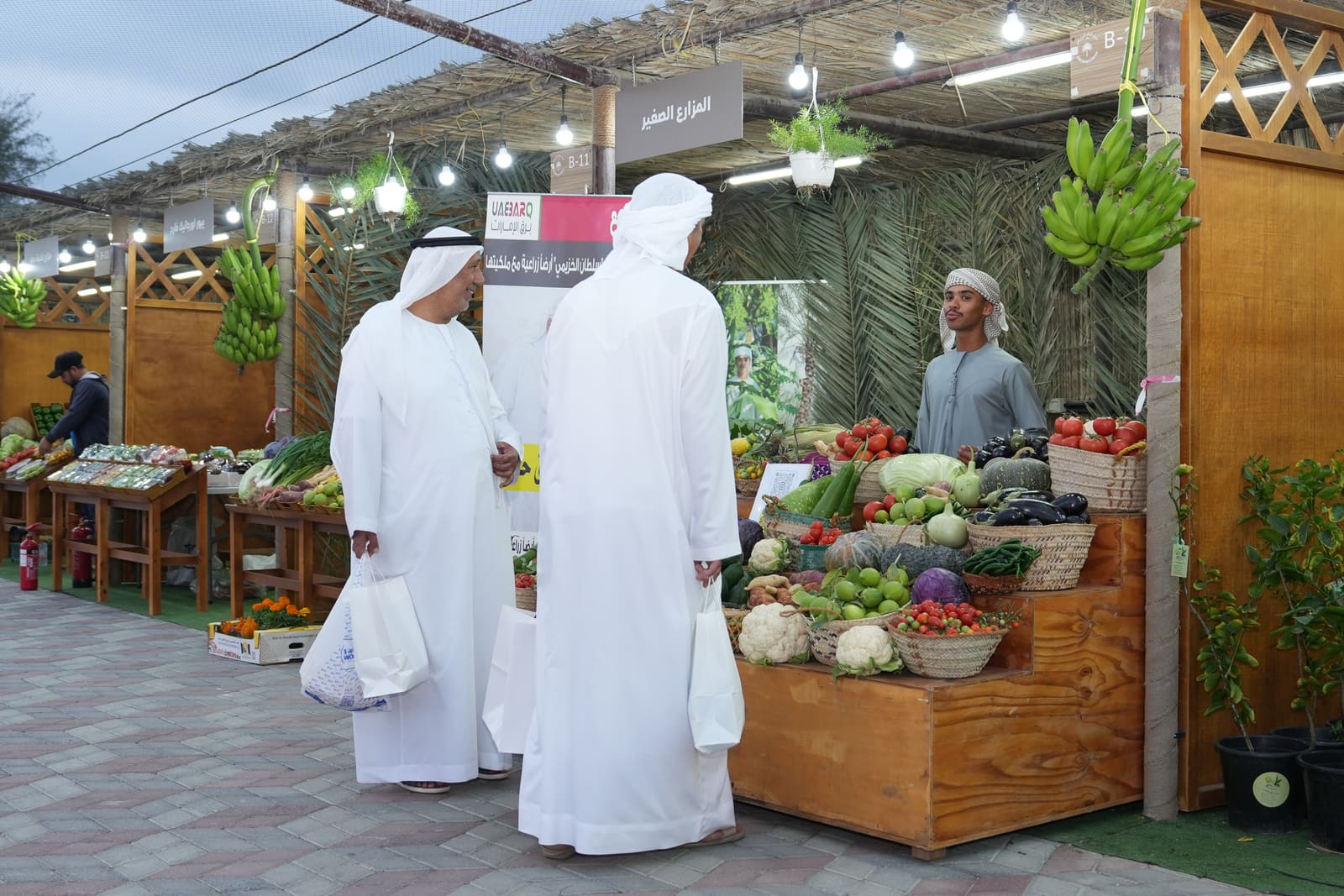
Each development element is paired with an activation programme, planned alongside the build, so that what is built is used, maintained and valued from the day it opens.
Emirates Villages, UAE
·
3 min read
Case study
Qidfa farm trails: reconnecting 170 farms to the village and its visitors
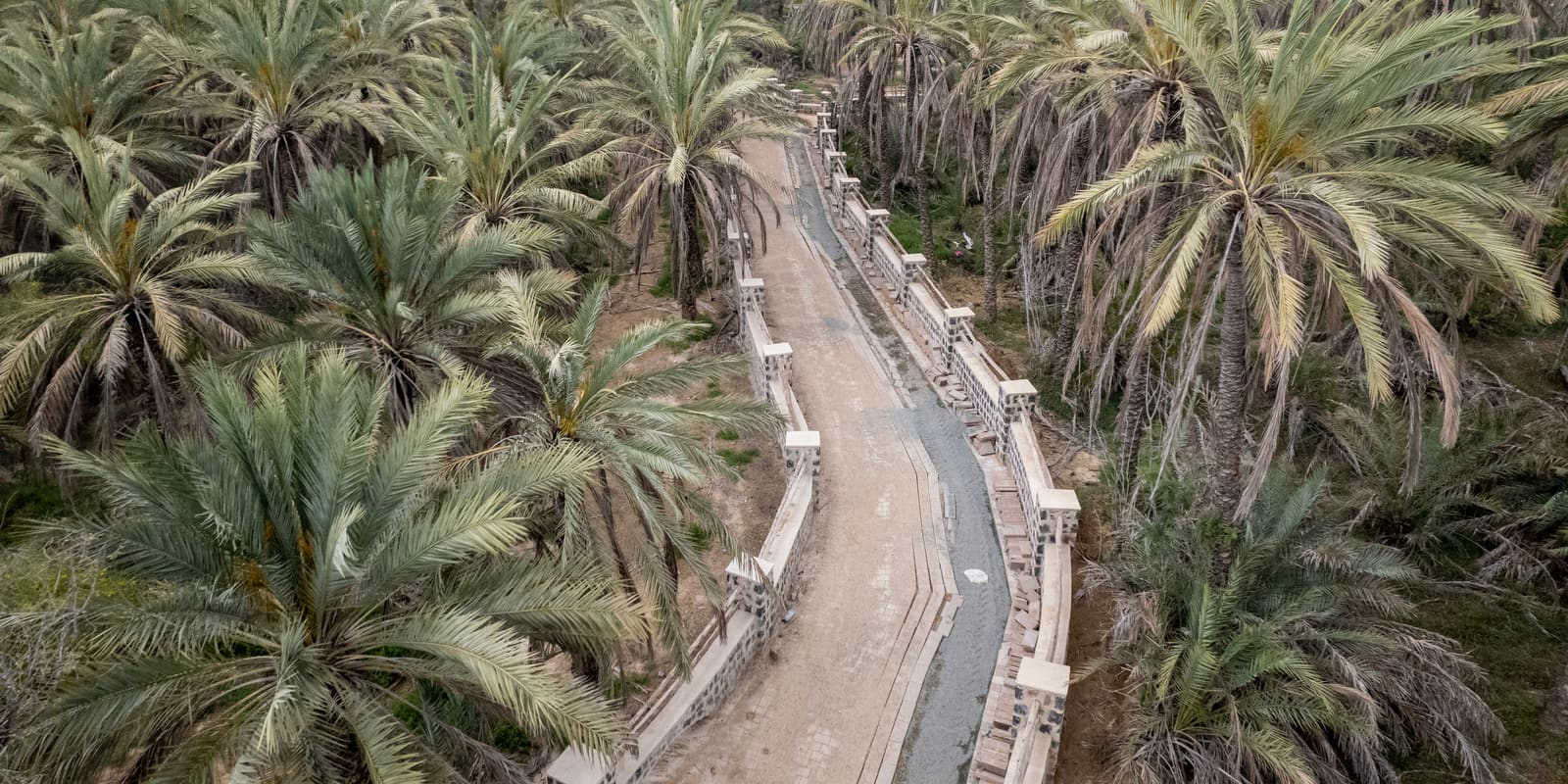
A 6.6 km network of farm trails gave Qidfa's farmers reliable access to their land, improved the services reaching their farms and opened the farms to visitors.
Qidfa, Fujairah, UAE
·
4 min read
Case study
Al Rams Boulevard: renewing a village centre around local enterprise
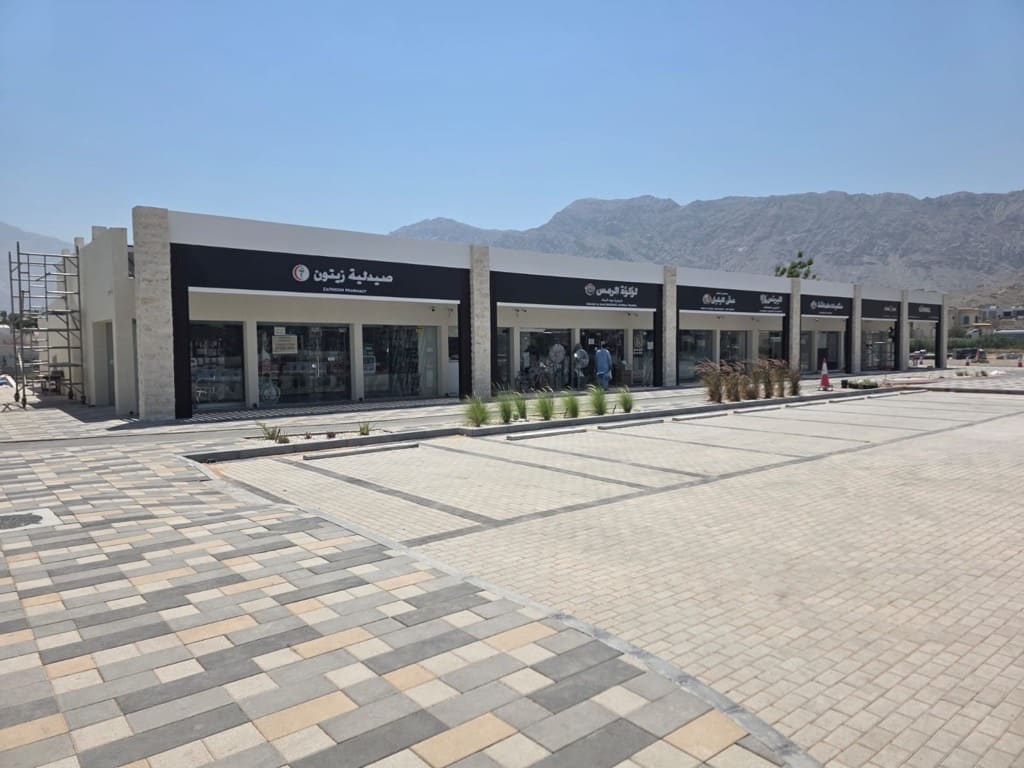
The renewal of 105 shops, new kiosks and a café, and support for a local pearling enterprise are turning Al Rams's main street into a village centre connected to its waterfront.
Al Rams, Ras Al Khaimah, UAE
·
4 min read
Powered By: