/
Best practice
Make a village investable before inviting investors
Public investment first reduces the risks of a rural place; sectors and land are then prepared, and opportunities are presented to investors once demand has been proven.
Emirates Villages, UAE
·
4 min read
·
Best practice
Governance
Local economy
Partnerships

The practice
Private investors rarely lead in rural areas. Distance from markets, limited infrastructure, uncertain demand and unclear land arrangements make the risk too high for most. The answer is not to offer incentives first but to make the village investable: reduce the risks of the place through public investment and activation, prepare sectors and land, and then present clear opportunities to the right investors. In the Emirates Villages approach, government enables, the private sector invests and the community leads.
Why it matters
Investment that arrives too early tends to stall, and a failed early project makes the next investor more cautious. Investment that arrives once a village has visitors, services and a working local economy is more likely to succeed and to stay. As the risks investors see begin to fall and private interest begins to rise, a village reaches a point of investment readiness. The task of the developing entity is to bring the village to that point, and to recognise when it has arrived.
Step one: reduce the risks of the place
The five development elements, built with public funding, provide the infrastructure and public spaces that make a village attractive to live in and to visit. Activation programmes then raise visitor numbers and show that people will come. Economic programmes and skills development build the local workforce and businesses an investor will rely on. Each of these steps lowers the risk an investor sees.
Step two: align sectors and land
Not every sector suits every village. Sectors are matched to the village's assets, whether agriculture, heritage, nature or the sea. Land is allocated according to the village's needs, and plots are classified in advance and offered on long-term lease agreements, so that an investor can see exactly what is available and on what terms.
Step three: attract and facilitate
With the ground prepared, opportunities are set out in a guide that presents each one with the evidence for its sector. Targeted promotional tours bring investors to see the village for themselves. Incentives and approvals are handled through a single window, so that investors deal with one point of contact rather than several agencies.
Who invests, and when
As readiness grows, the range of investors widens. Local entrepreneurs, who know the village and can start small, typically come first. Individuals and family offices follow, and national and international companies come in once the village has a track record. Planning for that sequence avoids waiting for a large investor who is not yet ready to commit, and gives local enterprise the first opportunity.
Prove demand first
Accommodation shows the principle at work. It is offered to private investors only once demand has been proven, in a form that suits the setting and with a light environmental footprint. At Masfout, camping during the Nasamat Masfout festival combined mountain hiking, barbecues and stargazing, and gave investors a clear indication of demand. Proposals for camping cabins and caravan sites at Al Shuwaib, and for accommodation on terraces overlooking the dam at Shawka, follow the same approach. At Al Rams, oversubscription for new kiosks and a café has led the Council to plan further commercial space. Business licences offer another early signal: active licences in Masfout rose by 36% in 2025, against 18% in Manama, a rural area of Ajman without Council projects.
How the funding fits together
In the Emirates Villages programme, government funding forms the foundation for developing and activating villages. Major companies and government-related entities fund social programmes through corporate social responsibility, with contributions reaching AED 108.8 million by mid-2026. Institutions whose mandates align contribute services and expertise in kind. Private investment builds on this base once a village is ready, and the Council brings the partners together, coordinates their roles and measures the impact.
What to watch for
Do not offer land before demand is proven; a well-located plot with no visitors makes a poor first impression. Keep residents first, so that investment adds to the village economy rather than displacing the shops and services residents run. Choose investments that suit the place and leave a light footprint. And keep the single window genuinely single, because investors judge a destination by how easily they can get a decision.
Another perspective.
Best practice
Pair every element with a programme that keeps it in use
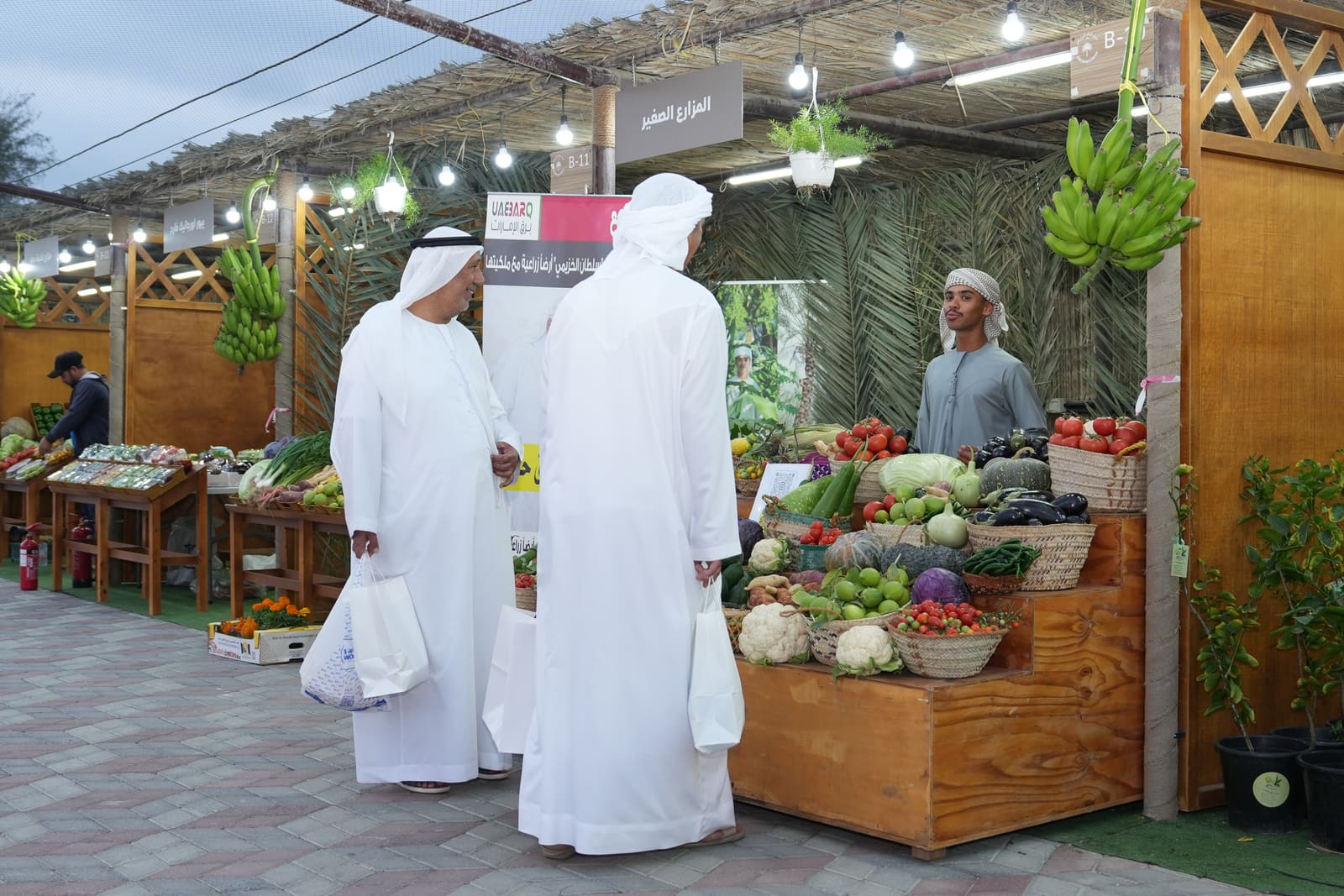
Each development element is paired with an activation programme, planned alongside the build, so that what is built is used, maintained and valued from the day it opens.
Emirates Villages, UAE
·
3 min read
Case study
Qidfa farm trails: reconnecting 170 farms to the village and its visitors
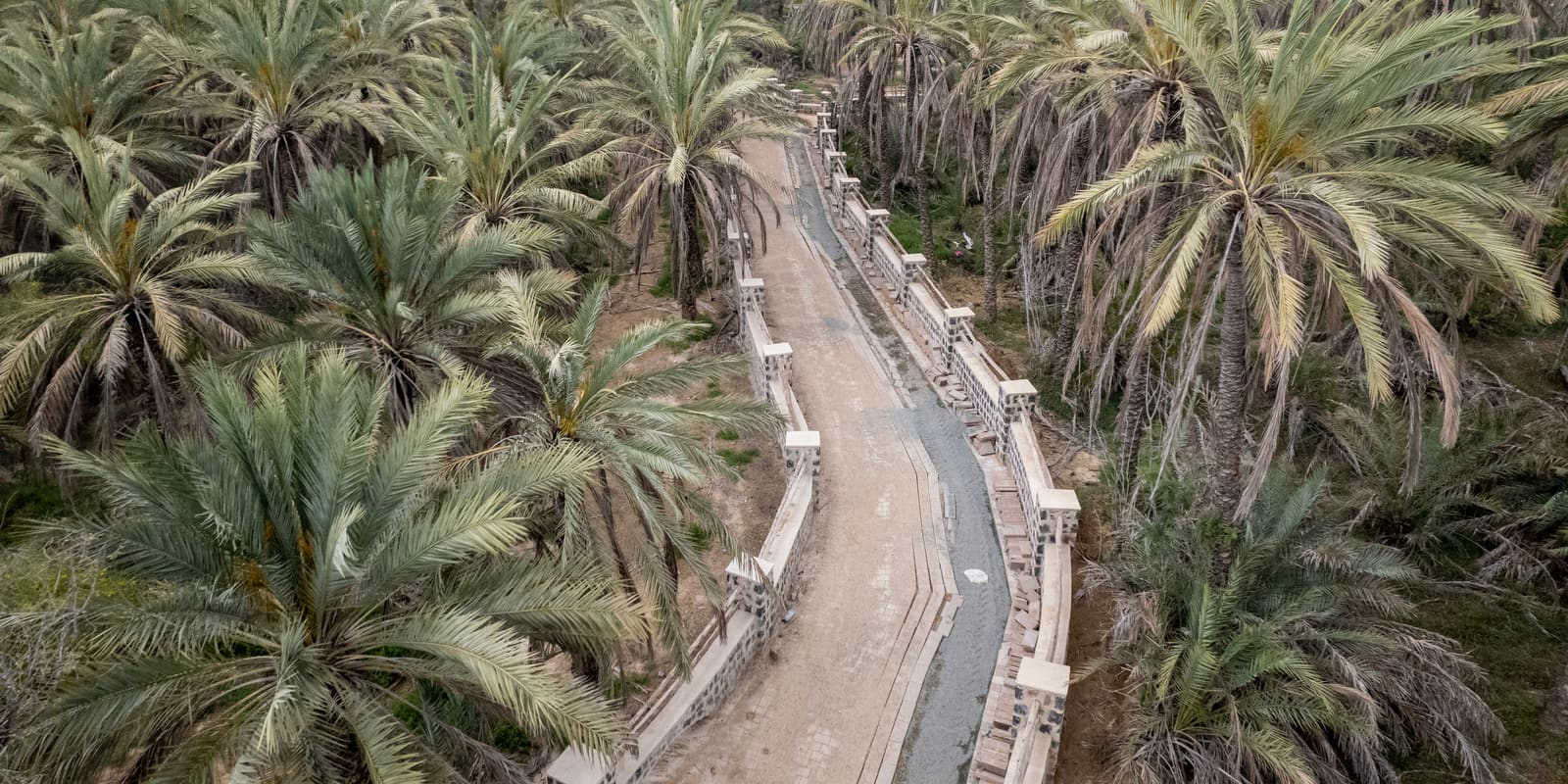
A 6.6 km network of farm trails gave Qidfa's farmers reliable access to their land, improved the services reaching their farms and opened the farms to visitors.
Qidfa, Fujairah, UAE
·
4 min read
Case study
Al Rams Boulevard: renewing a village centre around local enterprise
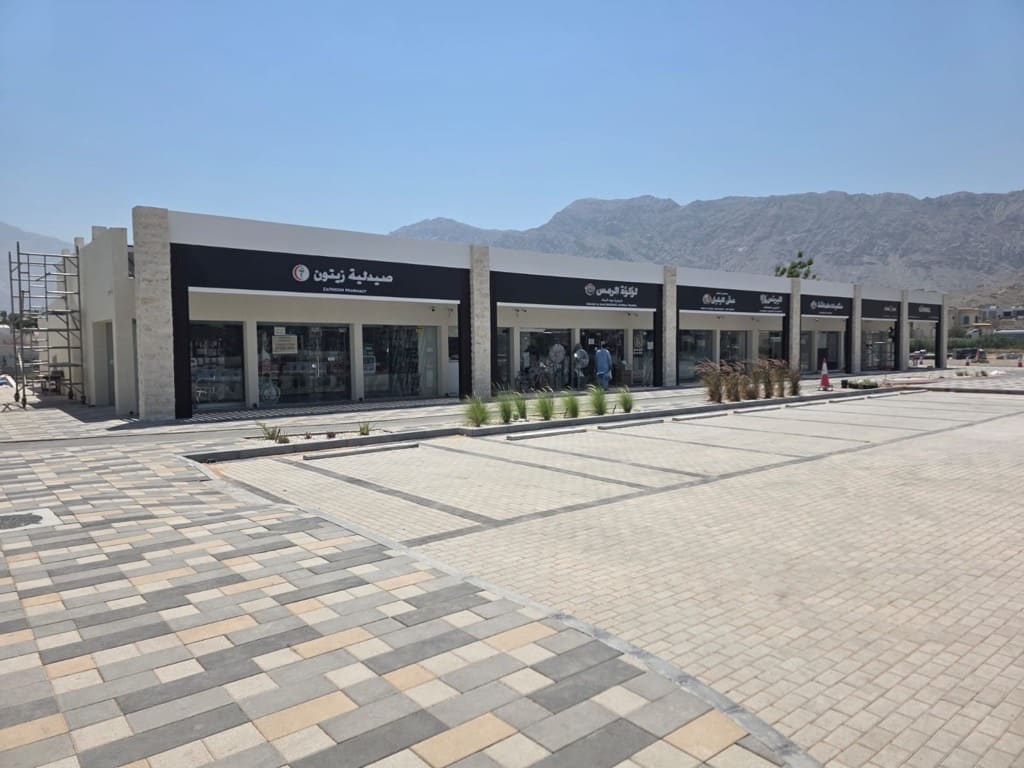
The renewal of 105 shops, new kiosks and a café, and support for a local pearling enterprise are turning Al Rams's main street into a village centre connected to its waterfront.
Al Rams, Ras Al Khaimah, UAE
·
4 min read
Powered By: